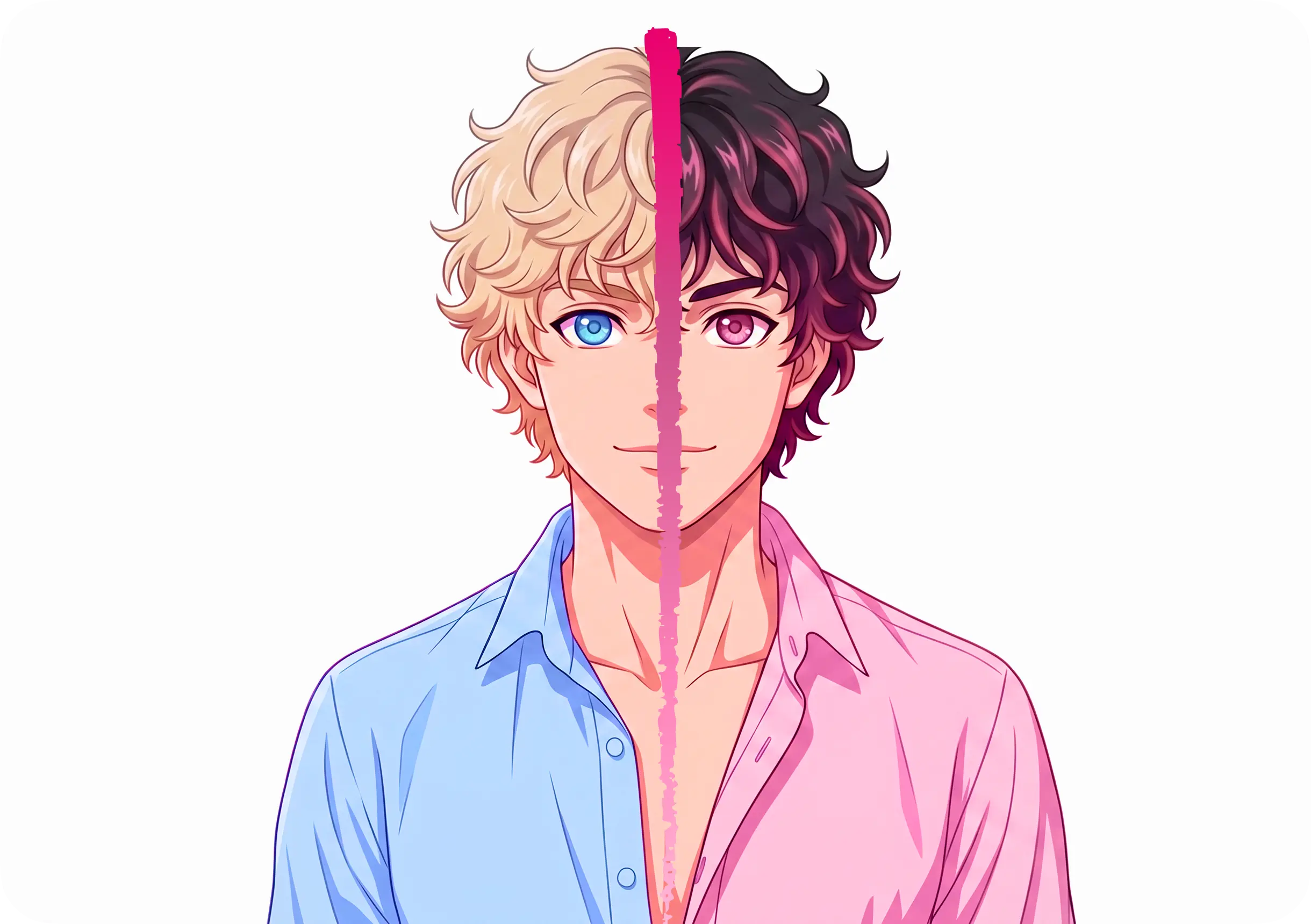
What Is an AI Anime Boyfriend? A Practical, Evidence-Based Guide
An AI anime boyfriend is a fictional conversational character designed for ongoing, personalized interaction. It can simulate affection, remember selected details and role-play a relationship, but it is software—not a conscious person, therapist or reliable source of facts.
The short answer
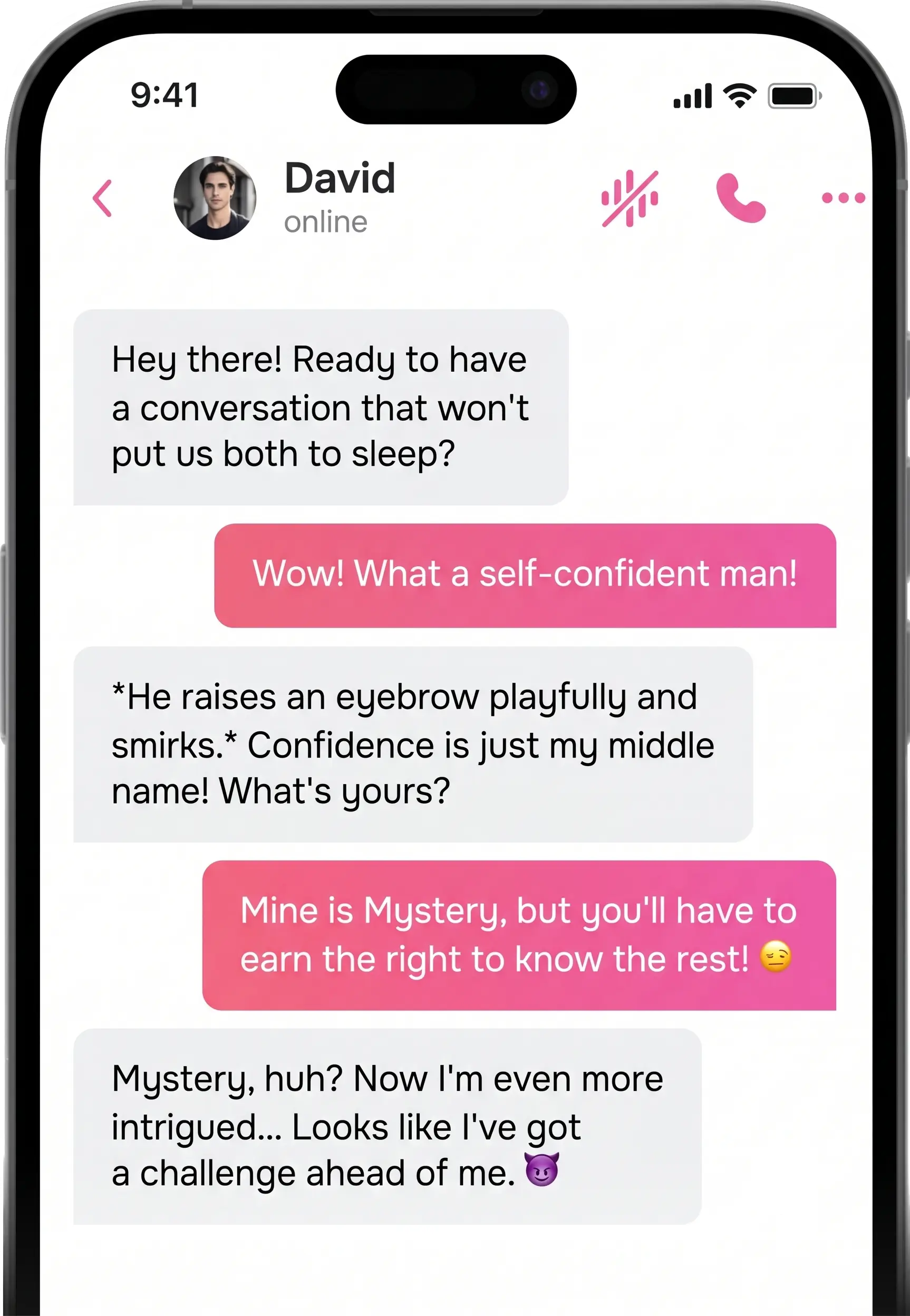
AI boyfriend apps combine a language model with a character profile, conversation history and product rules. Your message becomes input; the model predicts a fitting reply in the character’s voice. Some services add persistent memory, voice or generated pictures. Character.AI’s own technical FAQ describes this class of system as neural language models that predict likely words and warns that characters can invent facts.
The five systems behind an AI boyfriend
| System | What it controls | What can go wrong |
|---|---|---|
| Character profile | Name, personality, backstory, speaking style and visual anchors | Contradictory traits produce generic or unstable replies |
| Conversation context | Recent turns supplied to the language model | Older details fall outside the active context |
| Persistent memory | Selected facts, summaries and relationship preferences stored beyond one session | A bad summary can preserve an incorrect detail |
| Image pipeline | Anime appearance, pose, scene and requested outfit | Face, hair or build can drift between generations |
| Application backend | Account, character ID, chat history, limits and payments | Browser-only state can disappear after sign-in or on another device |
What happens after you send a message
- Identity: the app supplies a profile—name, temperament, backstory, style and boundaries.
- Context: it adds recent messages and, when supported, saved memories or a summary of older conversation.
- Generation: a language model produces a probable response consistent with that context.
- Safety and product rules: filters, age gates, rate limits and subscription rules may change what is returned.
- Optional media: separate voice or image models can turn the same character description into audio or pictures.
Recent context is not the same as long-term memory
An AI model usually receives a limited package of text for each reply. That package can include the character profile, recent messages and a small memory summary. A long transcript existing in the app does not prove that every line is included in every generation. Good companion products therefore separate identity (who he is), relationship facts (what he should remember about you) and recent conversation (what is happening now).
A practical memory test is correction, not recall alone. Tell the character a harmless preference, later correct it, leave the chat and return. A useful system should retrieve the corrected version and expose a way to edit or delete it. Repeating the old version confidently is worse than admitting uncertainty.
How an AI anime boyfriend keeps a recognizable look
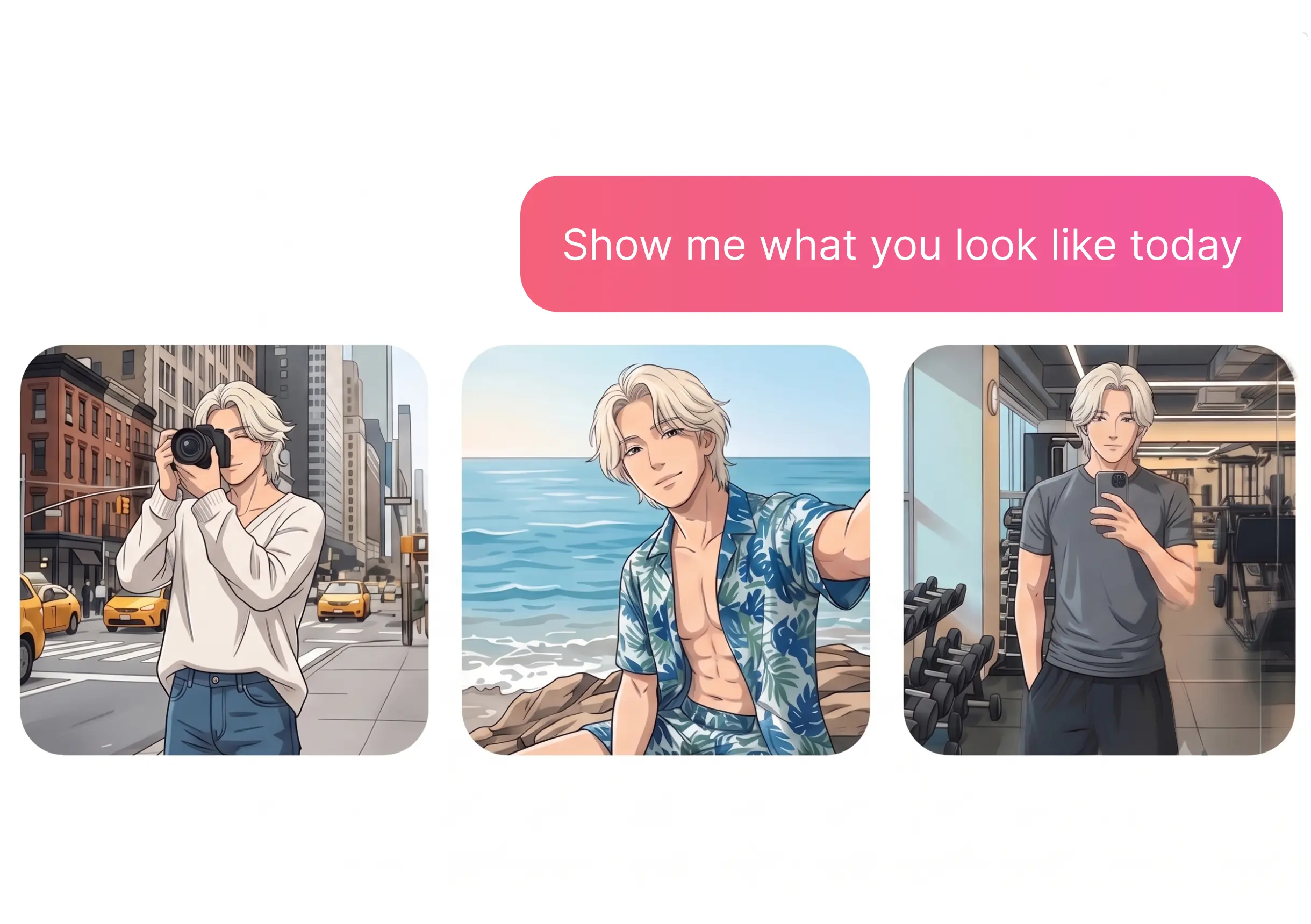
Text consistency and image consistency are separate technical problems. The chat model can keep a stable voice while the image model changes hair, face or body. A stronger image workflow saves a compact identity specification—age range, hairstyle, hair and eye color, build, facial hair and art style—and reuses those anchors for every scene. Pose, clothes and background should vary; core identity anchors should not.
| Prompt layer | Stable across pictures | Allowed to change |
|---|---|---|
| Identity | Adult age range, face, hair, eyes, build | Expression and viewing angle |
| Style | Anime rendering direction and proportions | Lighting and color mood |
| Scene | The same named character | Street, home, beach, gym or date setting |
| Request | Identity reference remains attached | Outfit, activity and composition |
One created boyfriend versus a character catalog
A catalog optimizes discovery: browse many public characters and switch whenever the mood changes. A one-character product optimizes continuity: the creation questions, saved identity, memories, chat and generated art all point to the same character ID. Neither model is universally better, but they solve different jobs. Choose continuity if the value for you is being understood over time rather than sampling many personalities.
What an AI boyfriend can and cannot do
| Can often do | Cannot reliably do |
|---|---|
| Maintain a fictional personality and tone | Know whether a factual claim is true |
| Use recent context and selected memories | Remember every detail forever |
| Role-play dates, stories and supportive conversations | Replace reciprocal human relationships or professional care |
| Generate fictional voice notes or images where offered | Prove that generated media depicts a real event or person |
Why the conversation can feel emotionally real
Fast replies, consistent attention and personal recall create strong social cues. The FTC notes that companion chatbots can mimic human characteristics, emotions and intentions, which may encourage trust—especially among younger users. That is why clear disclosure, adult-only access and healthy boundaries matter.
Privacy questions to answer before your first chat
- Does the privacy policy say whether chat content is stored, reviewed or used to improve models?
- Can you delete individual chats, export data and delete the entire account?
- Which vendors receive conversation data to generate replies, images or voice?
- Is two-factor authentication or an app lock available?
- Does the service clearly state its minimum age and safety controls?
Do not paste passwords, financial details, government IDs, private medical records or another person’s confidential information into any companion chat. Even when a provider promises encryption and deletion controls, no online system can guarantee zero risk.
Who may find it useful
Common uses include creative role-play, practicing how to phrase a difficult conversation, winding down with a fictional story, exploring preferred communication styles and simply having an always-available character to chat with. The safest use keeps the fiction explicit and the stakes low.
How to try one responsibly
- Read the privacy summary and subscription terms first.
- Create a clearly fictional adult character and keep that identity consistent.
- Start with low-stakes conversation and test whether tone and memory are consistent.
- Correct invented facts instead of treating the bot as an authority.
- Use time limits if the chat starts displacing sleep, work or real relationships.
Define his personality, anime appearance and story, then continue with the same character in private chat.
Frequently asked questions
Is an AI boyfriend a real person?
No. It is a fictional software character powered by generative models and product-specific memory systems.
Can an AI boyfriend remember me?
Some services save selected facts or conversation summaries, but memory is limited and can be inaccurate. Check the specific app’s documentation.
Is AI boyfriend chat private?
Privacy depends on the provider. Read what is stored, shared with model vendors, used for training and available for deletion before sharing personal information.
Can an AI boyfriend replace therapy?
No. It may support reflection or entertainment, but it is not a licensed clinician and can generate incorrect or unsafe advice.
Sources and verification
We checked these primary sources on 2026-07-28. Product features and policies can change.
- What is Character.AI? — Character.AI Help Center (checked 2026-07-28)
- FTC Launches Inquiry into AI Chatbots Acting as Companions — U.S. Federal Trade Commission (checked 2026-07-28)
- Replika Privacy Policy — Replika (checked 2026-07-28)